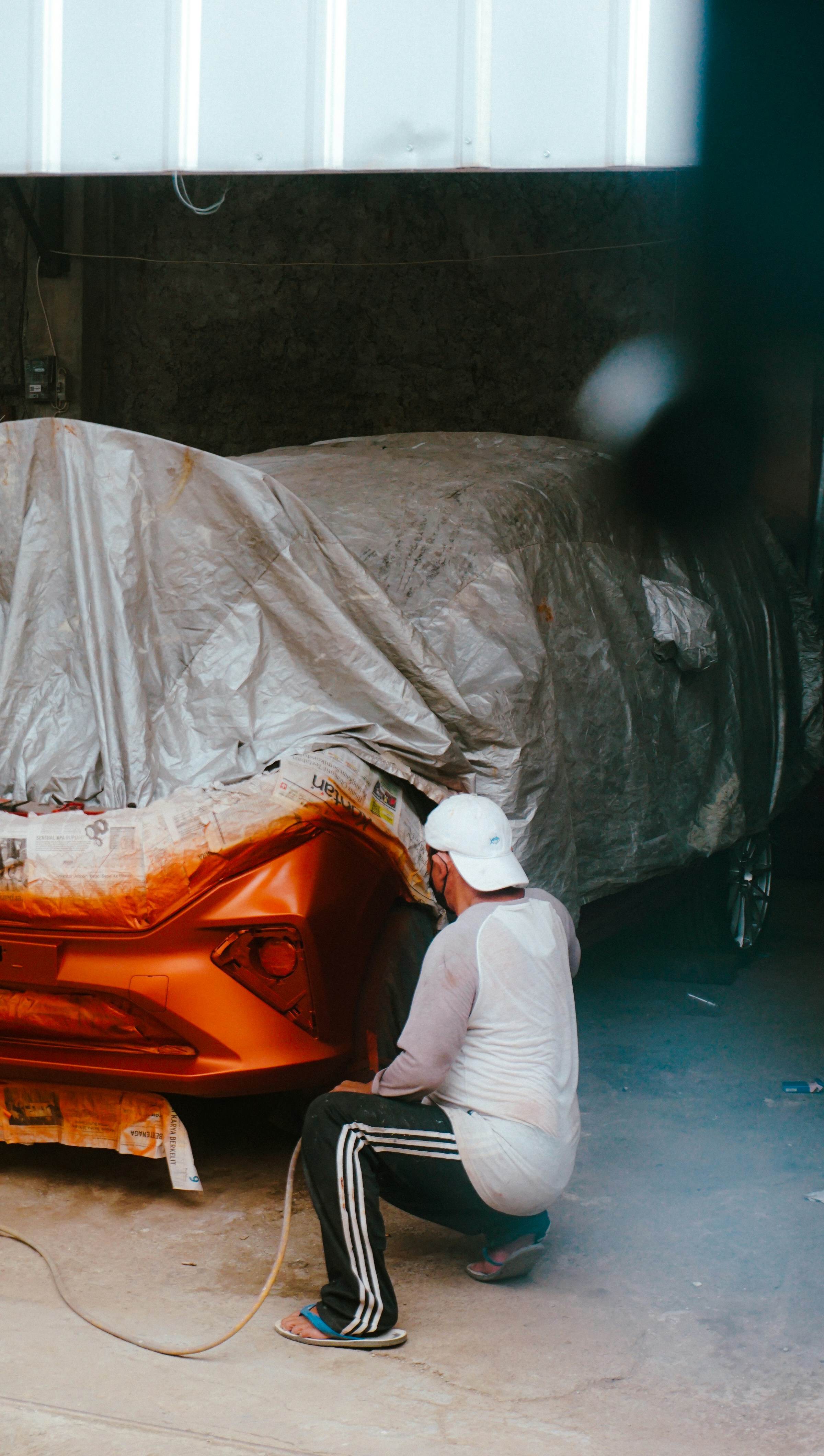
Understanding the Full Body Car Painting Process
Car painting, particularly full body painting, is an essential service for vehicle maintenance and aesthetics. The process involves several significant stages including preparation, priming, painting, and finishing. Each of these stages contributes to the final appearance and durability of the paint job, ensuring that your vehicle looks its best.
Preparation: The Key to a Flawless Finish
The initial step in full body car painting is preparation, which is critical for achieving a professional finish. This stage involves cleaning the car thoroughly to remove dirt and grease, sanding the surface, and masking off areas that shouldn’t be painted. Proper preparation helps the paint adhere better, preventing peeling or bubbling in the future. Investing extra time in this phase can significantly enhance the overall result.
Choosing the Right Paint and Technique
When it comes to full body car painting, selecting the right type of paint is crucial. Automotive paints can vary in quality, color, and finish. High-quality paints will not only bring out the beauty of the vehicle but also provide protection against the elements. Whether opting for a glossy finish or a matte look, the painting technique, whether spray or brush, will also affect the final appearance. Ensuring you follow the appropriate technique can make the difference between a mediocre and an exceptional paint job.
After painting, allow the required drying and curing time, and consider applying a clear coat to protect the finish. With careful attention to detail and the right materials, full body car painting can revitalize your vehicle, making it look as good as new.